How We Planned a Week in Arizona for a Family of Five—and How We’d Plan It Differently Now
We spent nearly $6,000 taking our family of five to Arizona. We stayed at a resort with a water park, visited several family attractions, rode a train to the Grand Canyon, rented an SUV, and ate at restaurants across Phoenix, Williams, and Sedona.
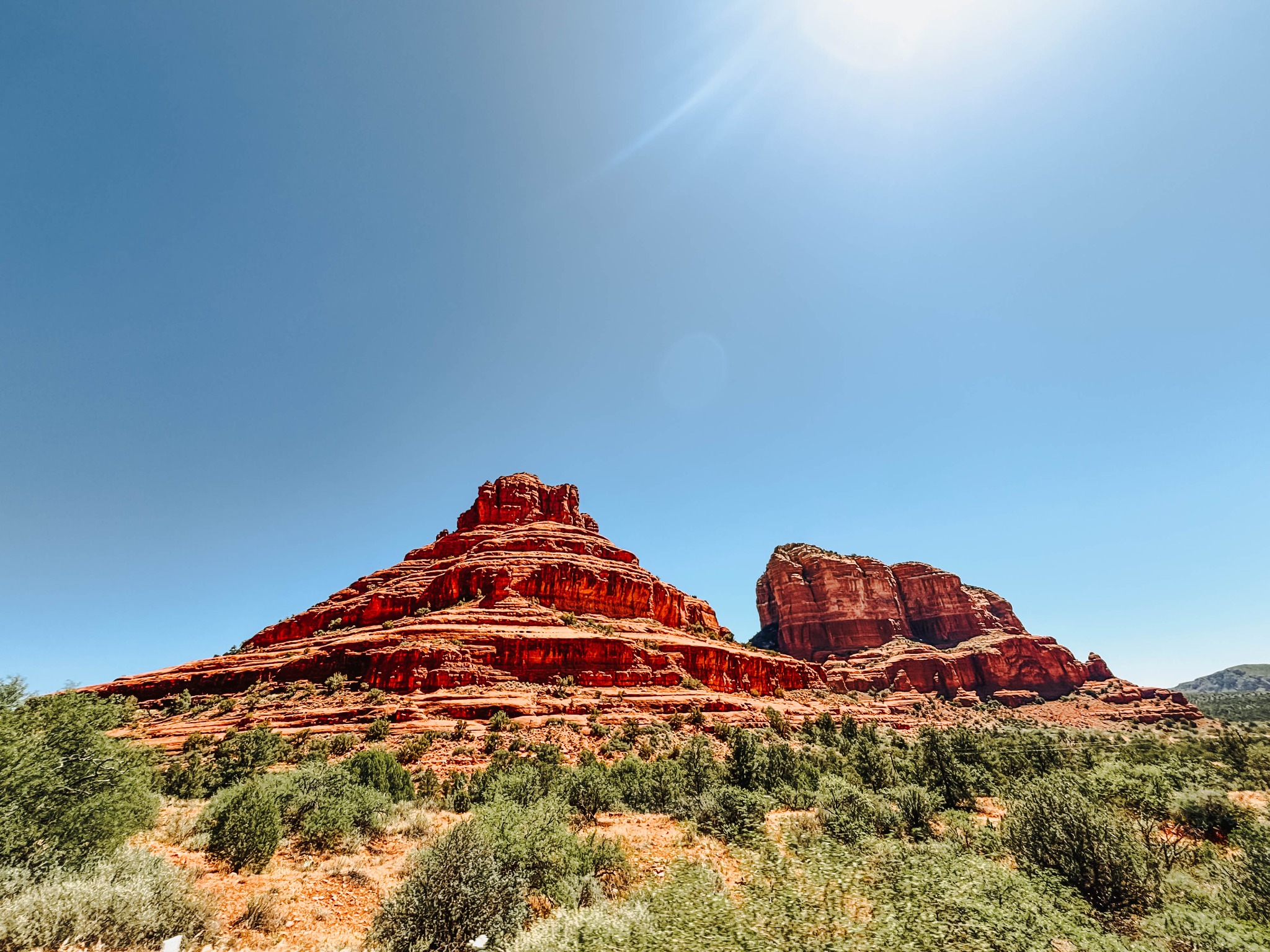
Nearly three months later, though, our kids do not talk much about the experiences that cost the most. They talk about hiking. They remember pulling off the road because we saw something beautiful, exploring trails together, watching the light move across the red rocks, and standing outside in Sedona looking at the stars.
That is the first thing I would tell another parent planning an Arizona trip: do not assume the most expensive part of your itinerary will become the most memorable.
Our trip did not begin as a family vacation. I was supposed to meet with a client in Arizona, and my husband and our three children, who were 15, 12, and 6 at the time, planned to travel with me. About two weeks before we left, the meeting was canceled. By then, our flights were booked, we did not have travel insurance, and canceling would have meant losing the money we had already spent.
We decided to go anyway. What started as a business trip became a family adventure and an opportunity for me to document the experience through writing and photography.
We flew from Indiana to Mesa on May 23, 2026, and returned home on May 30. During that week, we stayed in Phoenix, Williams, and Sedona, visited the Grand Canyon, and learned a great deal about where a family should spend money, where it can save, and how much room to leave for plans to change.
If you are trying to plan a memorable Arizona trip without wasting money on experiences your family may not care about, this is what I wish I had known before we booked ours.
Our Arizona itinerary
We arrived in Mesa late Saturday night, picked up a rental SUV through Costco, and drove to the Arizona Grand Resort & Spa in Phoenix.
We spent the first few days exploring the Phoenix area. We used the resort water park, hiked at Hole in the Rock and South Mountain, visited Butterfly Wonderland and Wildlife World Zoo, and tried several restaurants.
On Wednesday, we left Phoenix and drove to Sedona. We explored the area, hiked, visited Tlaquepaque Arts & Shopping Village and Chapel of the Holy Cross, and then continued to Williams, where we stayed for two nights.
We took the Grand Canyon Railway into the park on Thursday, spent part of the day walking along the rim, and returned to Williams that evening. Our original plan was to head back toward Phoenix on Friday, but we had enjoyed Sedona enough that we changed course. We returned for more sightseeing, stopped at Oak Creek Overlook and the Native American artisan market, ate at Hideaway House, went stargazing, and booked a hotel for one more night.
The following morning, we drove from Sedona to the Mesa airport and flew home.
On paper, the itinerary looked balanced. In reality, we spent too much time in Phoenix and Williams and not enough time in Sedona. That is one of the biggest changes I would make for another family planning the same route.
How much should a family of five budget for Arizona?
Based on the receipts and records we kept, the trip cost at least $5,913.34. That total included airfare, checked baggage, airport parking, hotels, the rental SUV, one documented gas purchase, attractions, meals, drinks, and a few souvenirs.
The final amount may have been slightly higher because our records may not include every fuel stop, snack, or small purchase. Still, the receipts gave us a useful picture of where the money went and which costs we would repeat.
Lodging: $1,984.83
Our lodging expenses included:
- Arizona Grand Resort & Spa: $1,261.88
- Holiday Inn Express & Suites in Williams: $322.98
- Mountain Modern Sedona: $399.97
The Sedona hotel was not part of our original budget. We booked it at the last minute because we wanted more time there and did not want to leave simply to sleep closer to Phoenix.
It was an unplanned expense, but it was also one of the few additional costs we did not regret.
For another family, the lesson is not that booking a last-minute hotel is a good budgeting strategy. It is that lodging should reflect where you actually want to spend your time. We would have saved money by planning more nights in Sedona from the beginning and fewer in Phoenix and Williams.
Transportation: $1,625.75
Our transportation costs included:
- Airfare: $809
- Checked baggage: $225
- Rental SUV: $437.14
- Gas: $63.61
- Fort Wayne airport parking: $81
- Additional parking: $10
The rental SUV was one of the more practical expenses. We were traveling with five people, luggage, snacks, water, and hiking gear, and we spent a significant amount of time driving between Mesa, Phoenix, Sedona, Williams, and the Grand Canyon.
If your family plans to cover several Arizona destinations in one trip, I would prioritize a comfortable vehicle over adding another paid attraction. Long drives are easier when everyone has enough room, and the extra storage makes it simpler to keep water, food, and hiking supplies accessible.
Attractions and passes: $887.81
Our paid attractions and passes included:
- Grand Canyon Railway: $425.70
- Wildlife World Zoo: $191.36
- Butterfly Wonderland: $173.05
- Canyon Coaster Adventure Park: $92.70
- Coconino National Forest Red Rock Pass: $5
This category taught us the most.
The higher-priced experiences did not always create more enjoyment, and the low-cost pass provided access to the area our family loved most. If your budget is limited, I would choose one or two paid attractions that match your family’s interests rather than filling every day with tickets and reservations.

Food and drinks: approximately $1,352
Feeding five people added up quickly, especially with two older children. Some of our largest restaurant bills included:
- Hideaway House: $235.70
- Café 66: $188.21
- Culinary Dropout: $179.46
- Rascal Modern American Diner & Bar: $175.77
- Station 66: $126.08
- The Yard Milkshake Bar: $101.17
Food is one of the easiest places to reduce the overall cost of this trip.
We would still choose a few restaurants that felt like part of the experience, but we would buy more groceries, pack lunches for driving and hiking days, use hotel breakfasts when available, and rely on simpler meals when the restaurant itself was not a priority.
I would, however, still budget for my daily Starbies order. Give me coffee, point me toward the next trail, and I am ready to roll.
A family does not need to avoid restaurants entirely. It just helps to decide in advance which meals are worth making part of the trip and which are simply there to keep everyone fed.
Where should a family spend money in Arizona?
A few paid experiences made the trip easier or gave us something we would recommend to another family.
Butterfly Wonderland
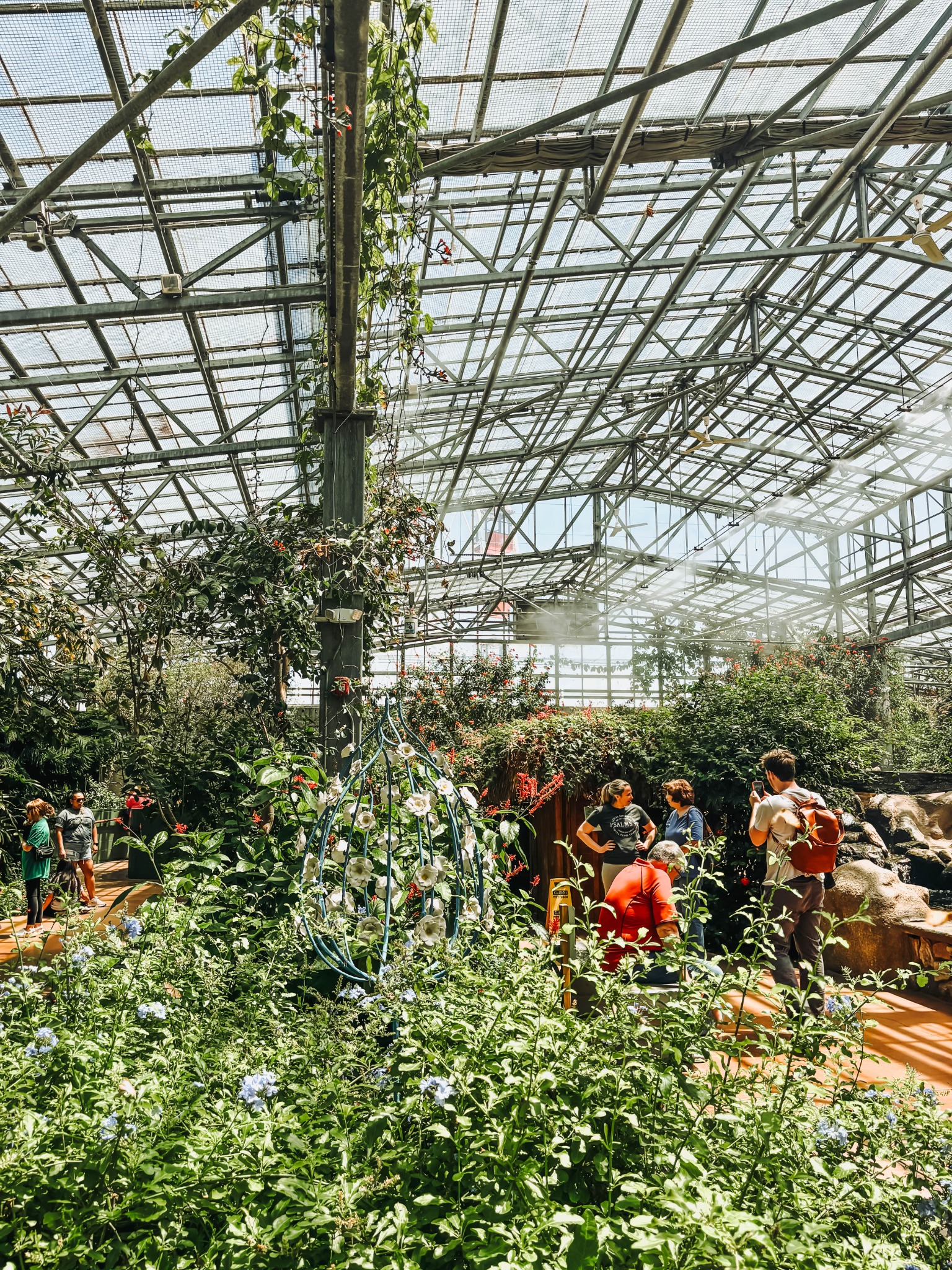
Butterfly Wonderland was one of our favorite paid attractions and one of the few that worked well across our children’s different ages.
One of our children was nervous when we first arrived, but ended up loving it. The facility had a large parking lot, accessible walkways, sensory kits available upon request, and a butterfly identification chart that helped make the experience more interactive.
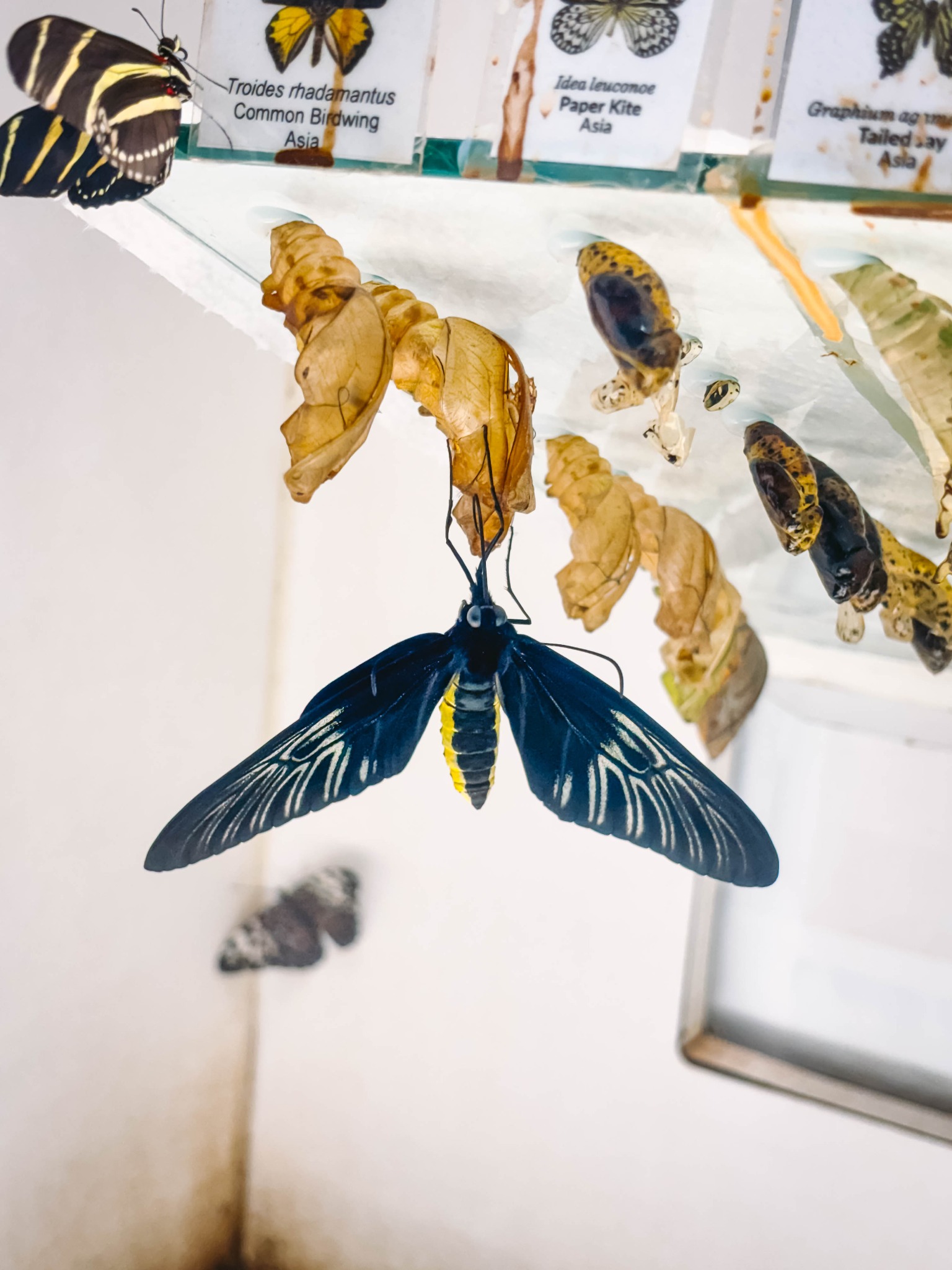
The butterflies move freely around visitors. Our family enjoyed being surrounded by them, although someone uncomfortable with insects flying close to their face or body may find the environment overwhelming.
The 3D movie was also better than we expected, and adding the aquarium and reptile exhibits gave us more to explore. Depending on how long a family wants to spend with the butterflies and move through the additional exhibits, I would plan for 1 to 3 hours.
Choose Butterfly Wonderland if: you need an indoor attraction that can work for children of different ages and allows your family to move at a slower pace.
Think twice if: anyone in your family is highly uncomfortable with insects flying close to them.
The rental SUV
The rental SUV did not create a memorable moment, but it made the entire trip more manageable. Arizona involved more driving than I realized when I first planned the route, and we regularly had luggage, hiking supplies, water, food, and purchases in the vehicle.
For a family of five traveling across several cities in one week, the extra space was worth the cost.
Spend the money here if: your route includes Phoenix, Sedona, Williams, and the Grand Canyon, or your family needs space for mobility items, sensory tools, food, and outdoor gear.
Culinary Dropout and Hideaway House
Our favorite restaurants were Culinary Dropout in Phoenix and Hideaway House in Sedona.
Both meals were expensive, but they were also experiences we would repeat. Culinary Dropout gave us one of our best meals in Phoenix, while Hideaway House became part of the evening we returned to Sedona after changing our plans.
That distinction mattered. We did not mind spending more when the food and experience felt memorable. The meals we regretted were the expensive ones that felt ordinary, or that relied more on the location than on the quality.
A better restaurant strategy: choose two or three meals you genuinely care about, then keep the rest simple.
Returning to Sedona
Booking another hotel at the last minute was not the strongest financial decision, but it gave us more time in the place our family loved most.
The better choice would have been to recognize Sedona’s value earlier and plan for more nights there from the start.
The takeaway for your itinerary: if Sedona is one of the main reasons you are visiting Arizona, do not treat it as a brief stop between Phoenix and the Grand Canyon.
Which Arizona experiences may not be worth the cost?
Some of the most heavily advertised parts of the trip did not provide the value we expected. That does not mean every family would feel the same way, but these are the places where it is especially important to know what you are paying for.
Arizona Grand Resort & Spa
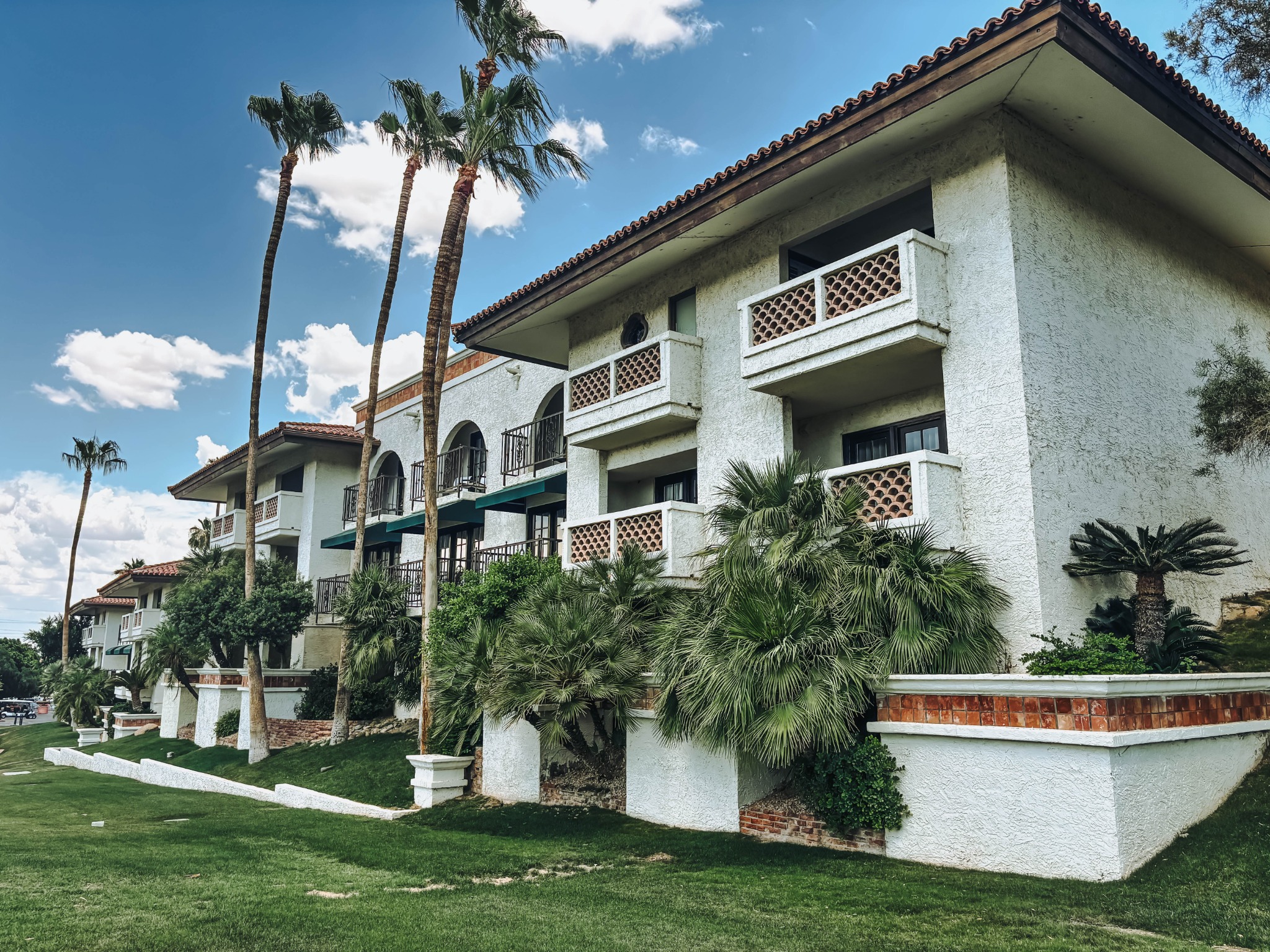
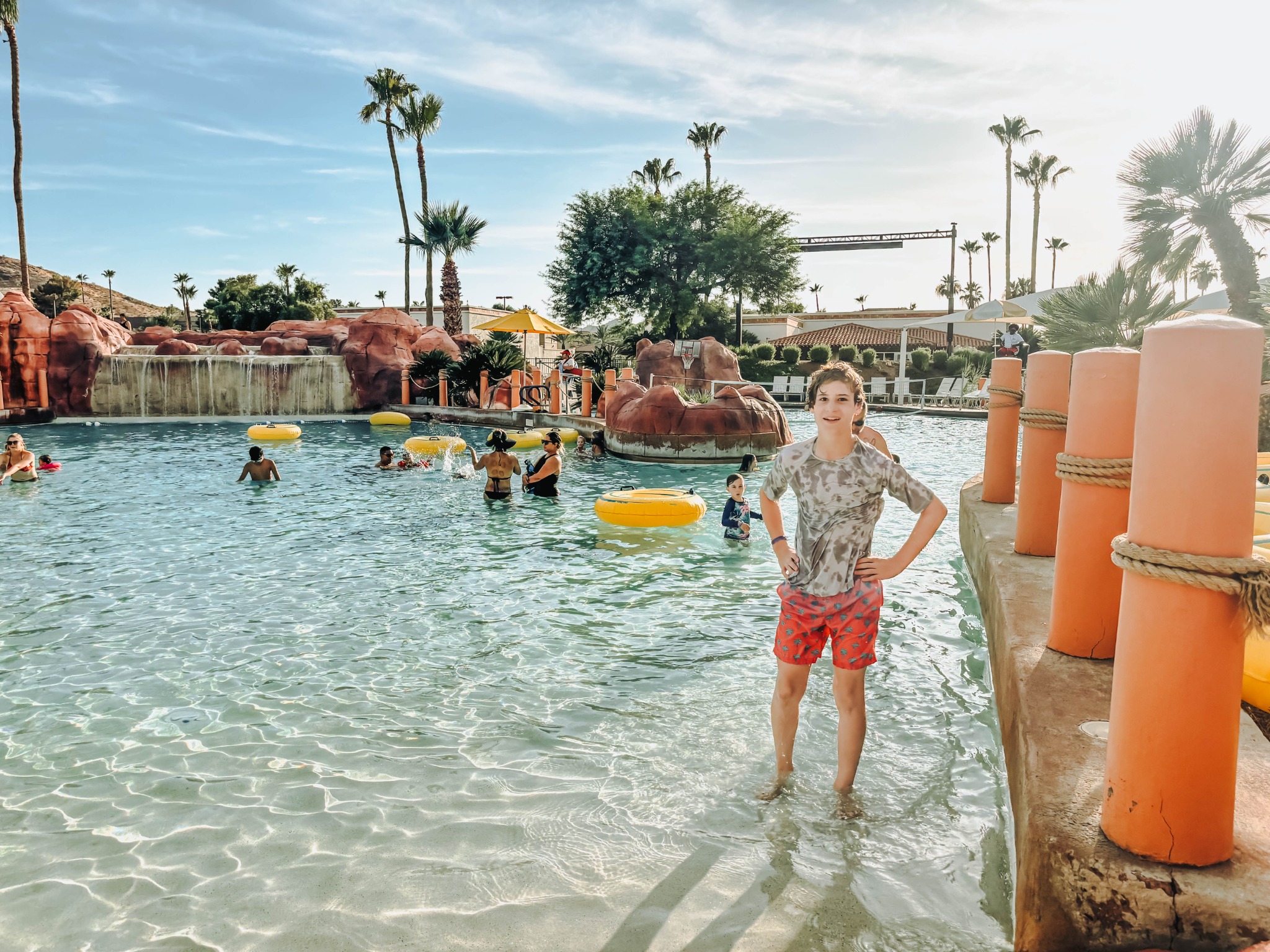
Arizona Grand Resort & Spa is a beautiful property. When we arrived, it felt more like someone’s mansion than a standard hotel. The golf carts made it easier to travel between our room and the water park, and our children especially enjoyed the wave pool.
The resort was also the largest single lodging expense of the trip, and for our family, it felt overpriced.
Our reservation included only four water-park wristbands, even though we were traveling as a family of five. The charge for the additional wristband was ultimately waived, but families should confirm how many bands are included before booking.
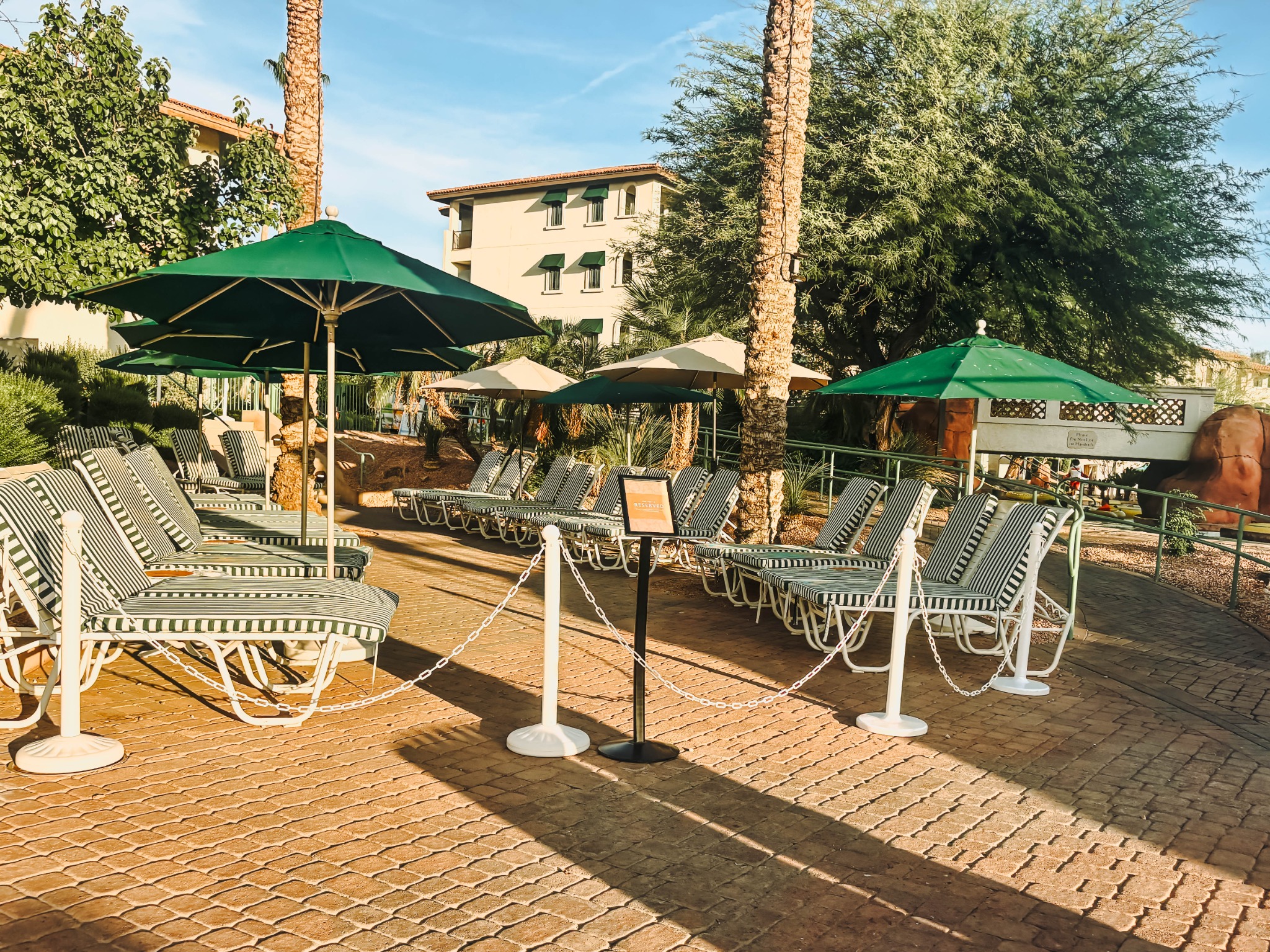
The larger concern was the lack of standard seating in the shade. The least expensive reserved seating option we found was around $450, and we did not receive a clear explanation of what that price included.
This was more than a preference for us. Some of our children are on the autism spectrum, and I have postural orthostatic tachycardia syndrome, or POTS. Extended time in the heat without predictable access to shade or a place to rest can make an otherwise enjoyable day difficult.
The water park was fun, but it was not a quiet or relaxing pool experience. On a busy weekend, finding seating was chaotic, and it felt as though the options were to stay in the water or struggle to find somewhere comfortable to sit.
Book Arizona Grand if: the water park is a major part of your trip and your family plans to be actively in the water most of the day.
Consider another hotel if: you are choosing it for relaxation, need dependable shaded seating, or want to keep lodging costs lower.
Before booking, ask:
- How many water-park wristbands are included?
- Is any shaded seating free?
- What do reserved seating packages include?
- Will your family use the water park enough to justify the room rate?
Grand Canyon Railway
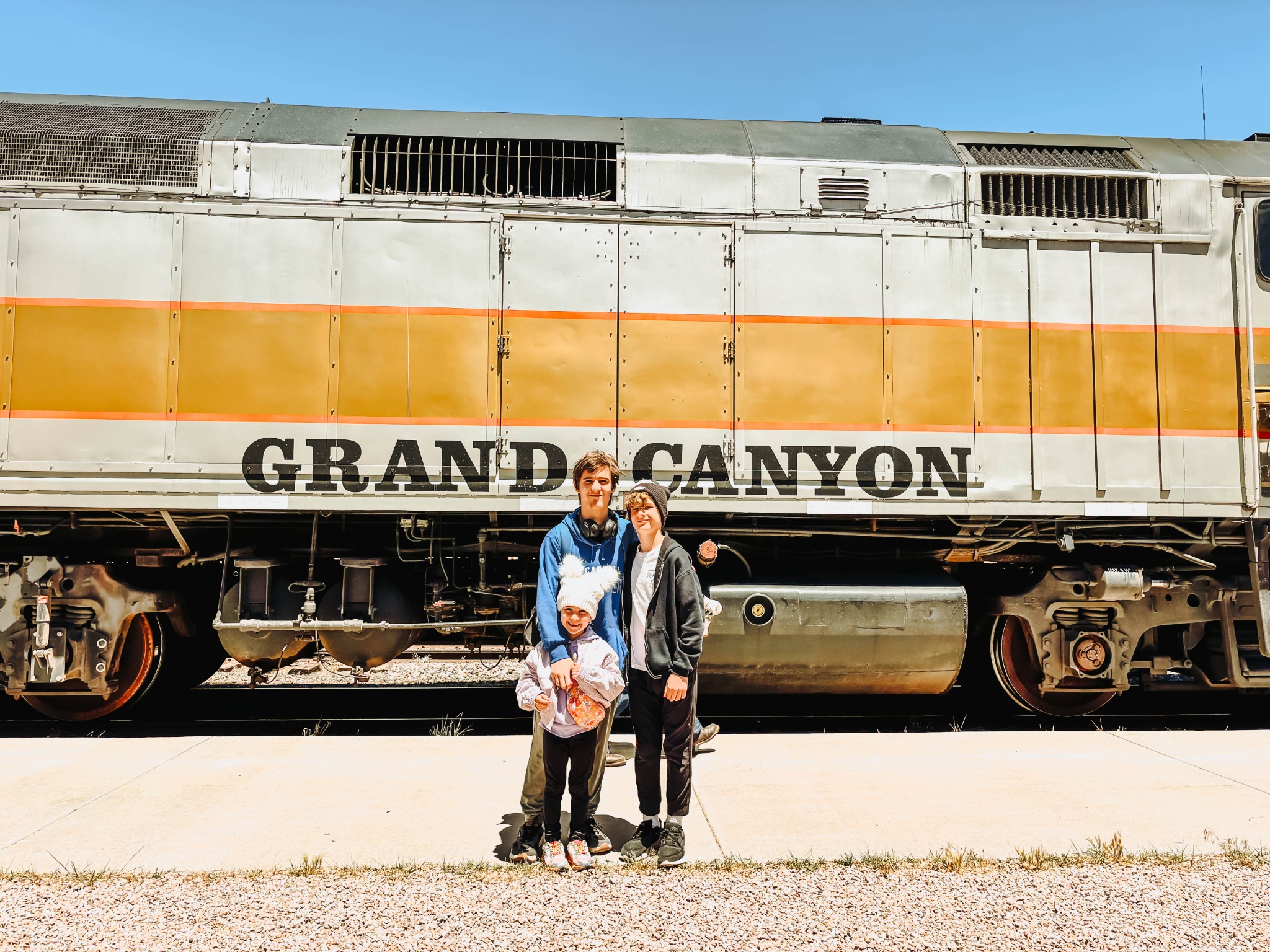
The Grand Canyon Railway sounded like a memorable way to reach the park, but for us, it was not worth the $425.70 price.
The train ride and themed entertainment were enjoyable. The problem was that the schedule determined how much time we could spend at the Grand Canyon. Once we arrived, I found myself wishing we had driven so we could hike longer, explore more of the park, and eat dinner without watching the time.
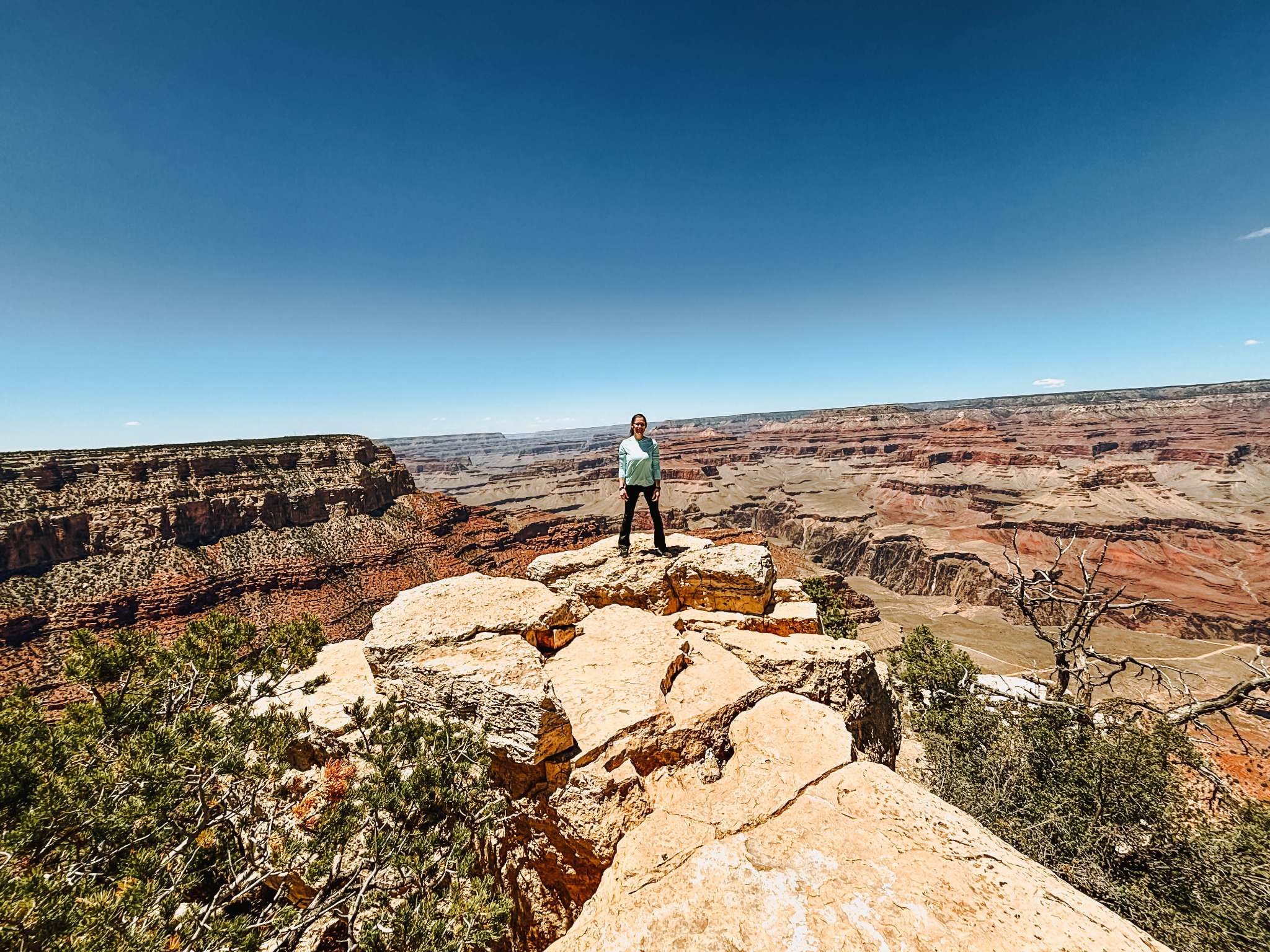
The decision comes down to what your family considers the main experience.
Take the railway if: the train itself is part of what your family is excited about, you have young children who will enjoy the entertainment, or you would rather not drive.
Drive instead if: your priority is hiking, exploring the park at your own pace, eating inside the park, or staying until you are ready to leave.
Wildlife World Zoo
We try to include an animal experience whenever we travel. Since my son and I had already visited the Phoenix Zoo on an earlier trip, we chose Wildlife World Zoo this time.
There was plenty to see, and admission cost just over $190 before drinks. My biggest concern, though, was accessibility.
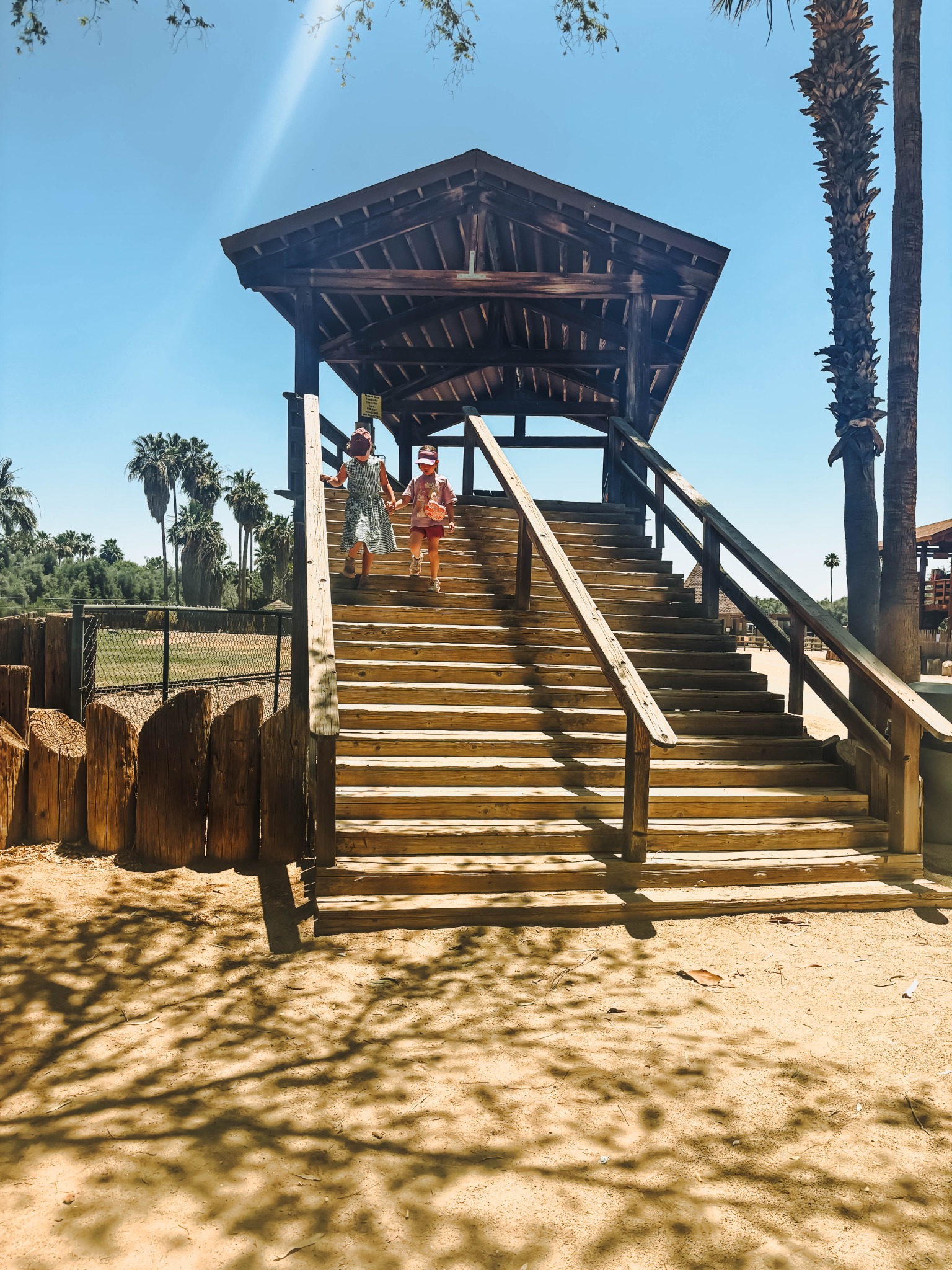
The zoo’s website says it offers accessible parking, ramps, restrooms, and seating. That did not match what we experienced. Many of the paths were dirt or sand, and several observation areas appeared to be accessible only by stairs.
Accessible routes may have been available elsewhere, but they were not obvious to us. If someone in your group uses a wheelchair or has difficulty with uneven terrain, I would contact Guest Relations before visiting to ask about specific paths and viewing areas.
Best for: families who enjoy zoos and want an alternative to the Phoenix Zoo.
Think twice if: someone in your group needs smooth paths or clearly marked ramp access.
Canyon Coaster Adventure Park
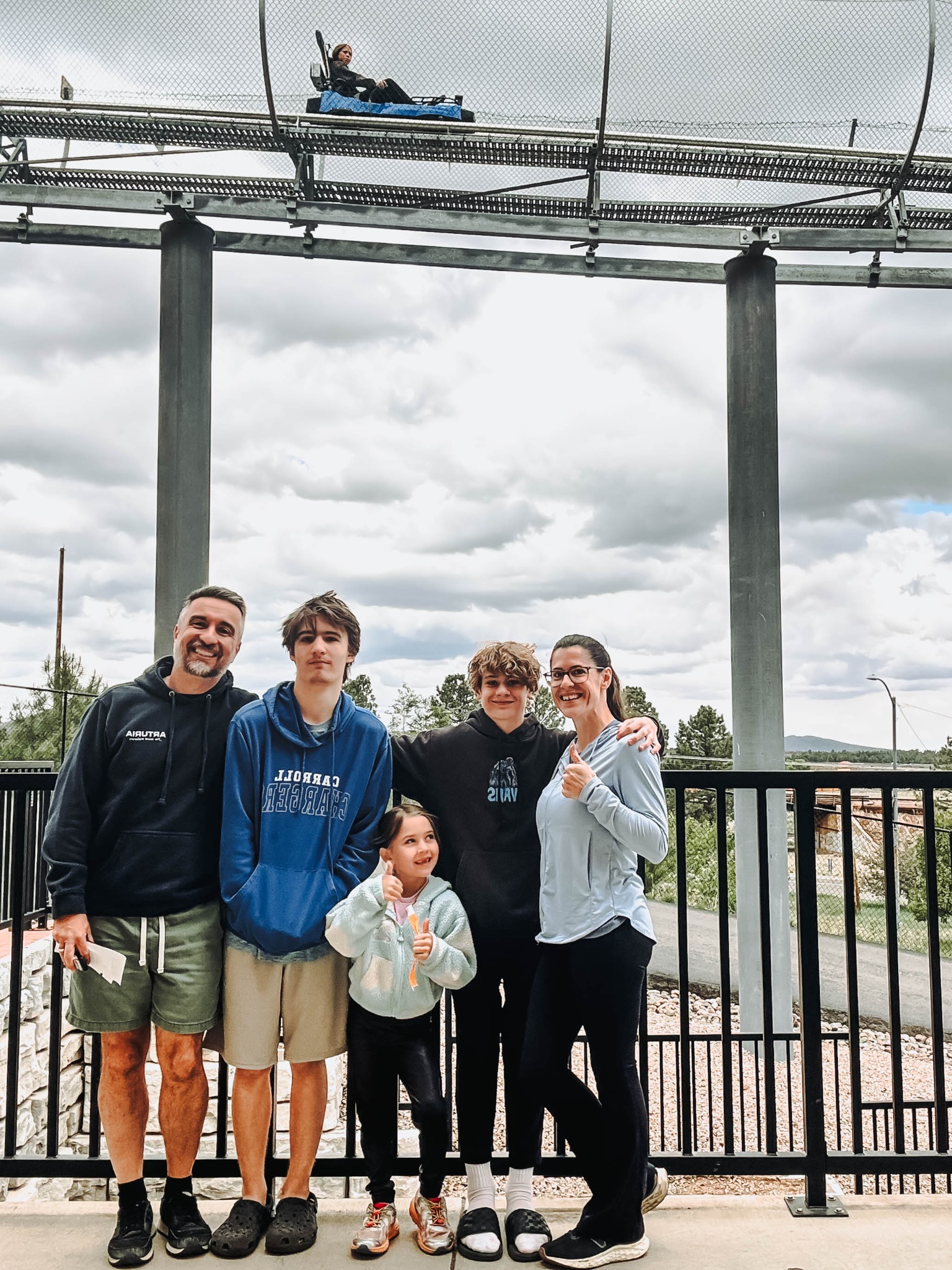
The children loved the Canyon Coaster, but the ride lasted about 5 minutes and cost our family $92.70.
This was one of those expenses that left the children and adults with different opinions. The kids enjoyed the excitement, while I had a harder time justifying the cost based on how quickly the experience ended.
Consider it if: your children love rides and a short burst of excitement fits comfortably into your budget.
Skip it if: you are looking for an activity that will fill a meaningful portion of the day.
Williams
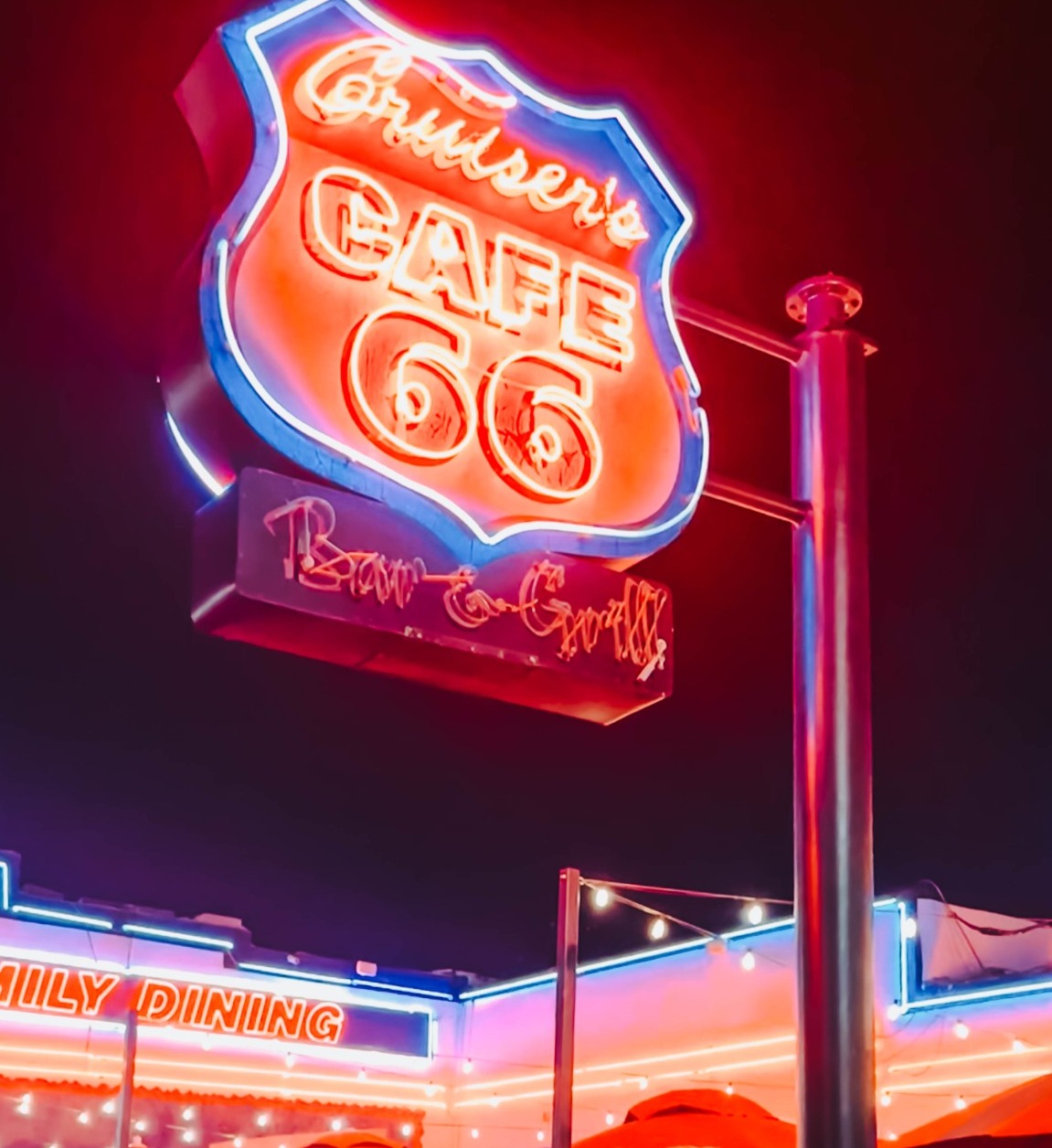
Williams is often presented as a charming Route 66 town and a convenient base for visiting the Grand Canyon. Our experience did not match the version we had seen while planning.
There was little we wanted to do other than take a few photographs along Route 66. The meals we had there were expensive, the service was disappointing, and the town felt heavily dependent on visitors passing through.
If we returned, we might stop for photographs on the drive to the Grand Canyon, but we would not stay overnight.
Stop in Williams if: you want a few Route 66 photos or are taking the railway.
Do not automatically stay overnight if: Williams is only a stop between Sedona and the Grand Canyon. Compare the value of that night with spending more time in Sedona or closer to another part of your route.
The free Arizona experiences your kids may remember most
The best parts of our trip did not happen because we found the perfect attraction or spent more money. They happened when we had enough time to notice where we were.
Hiking
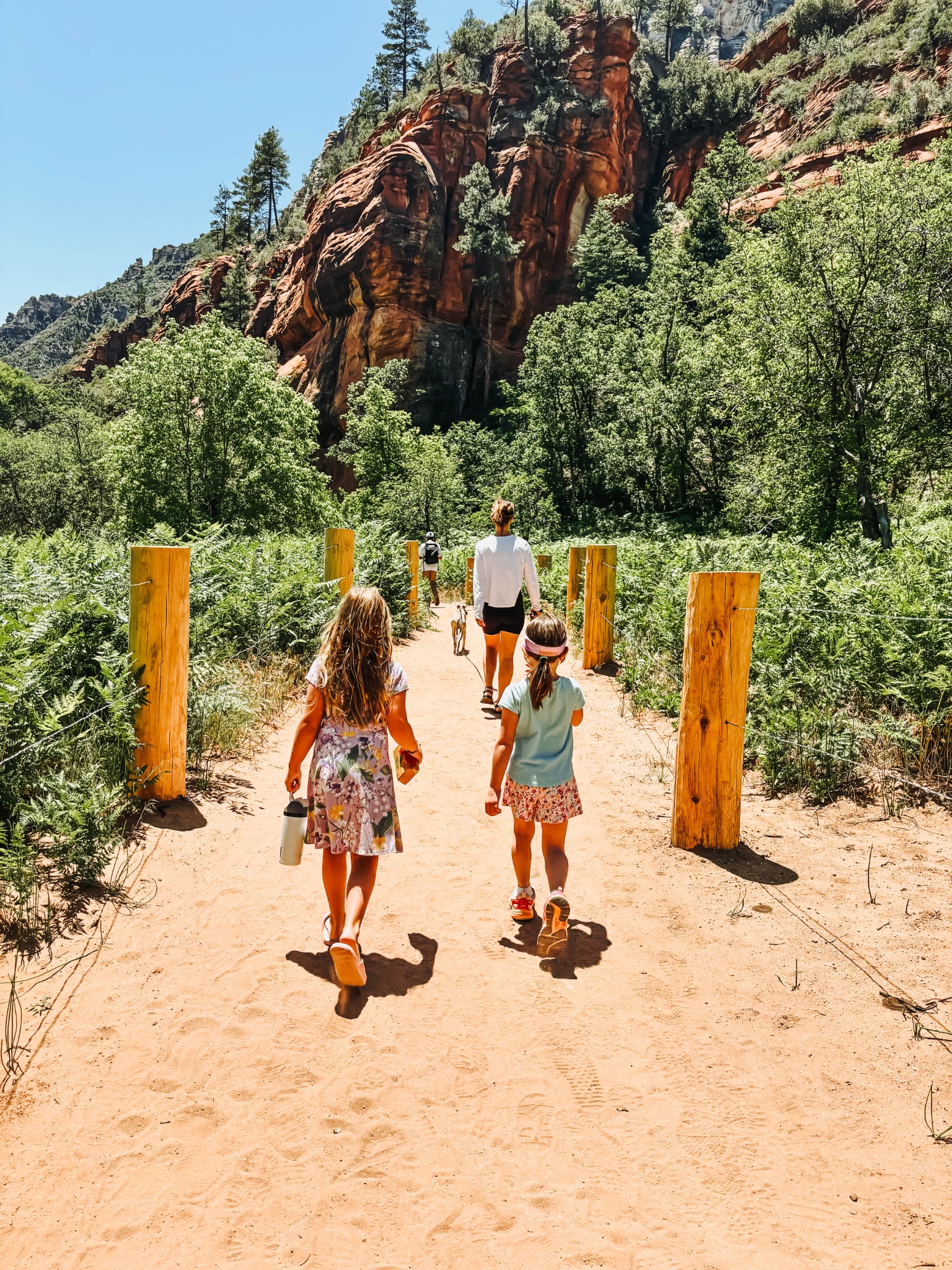
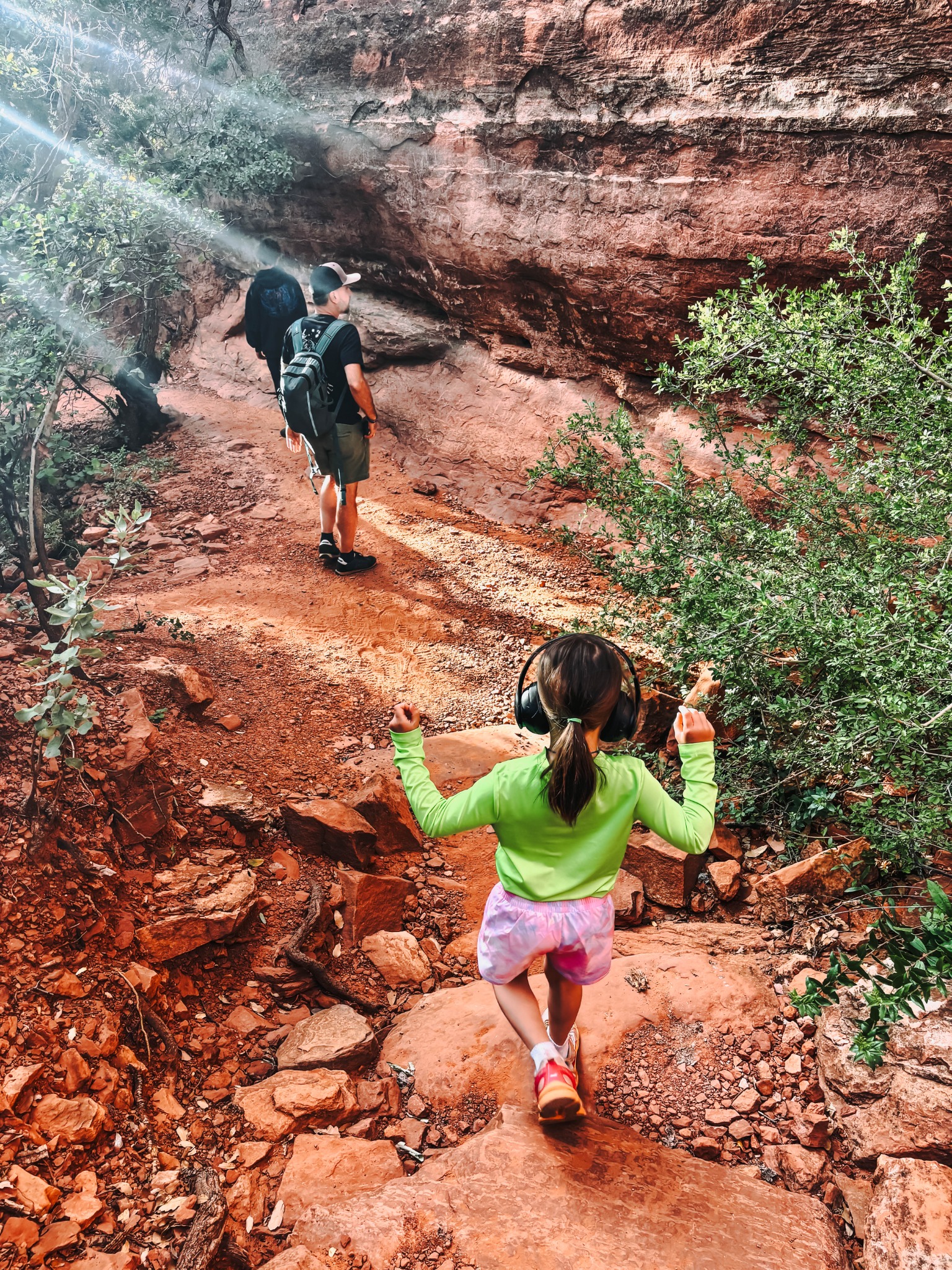
Hiking worked better for our family than I expected. With children who were 15, 12, and 6, it can be difficult to find activities that appeal to everyone. On a trail, each child could move at a different pace, notice different things, and engage without having to enjoy the experience in the same way.
We saw lizards, heard rattlesnakes nearby, explored red-rock trails, and stopped often to take photographs. Those walks gave us time together without the pressure of trying to get our money’s worth from a timed attraction.
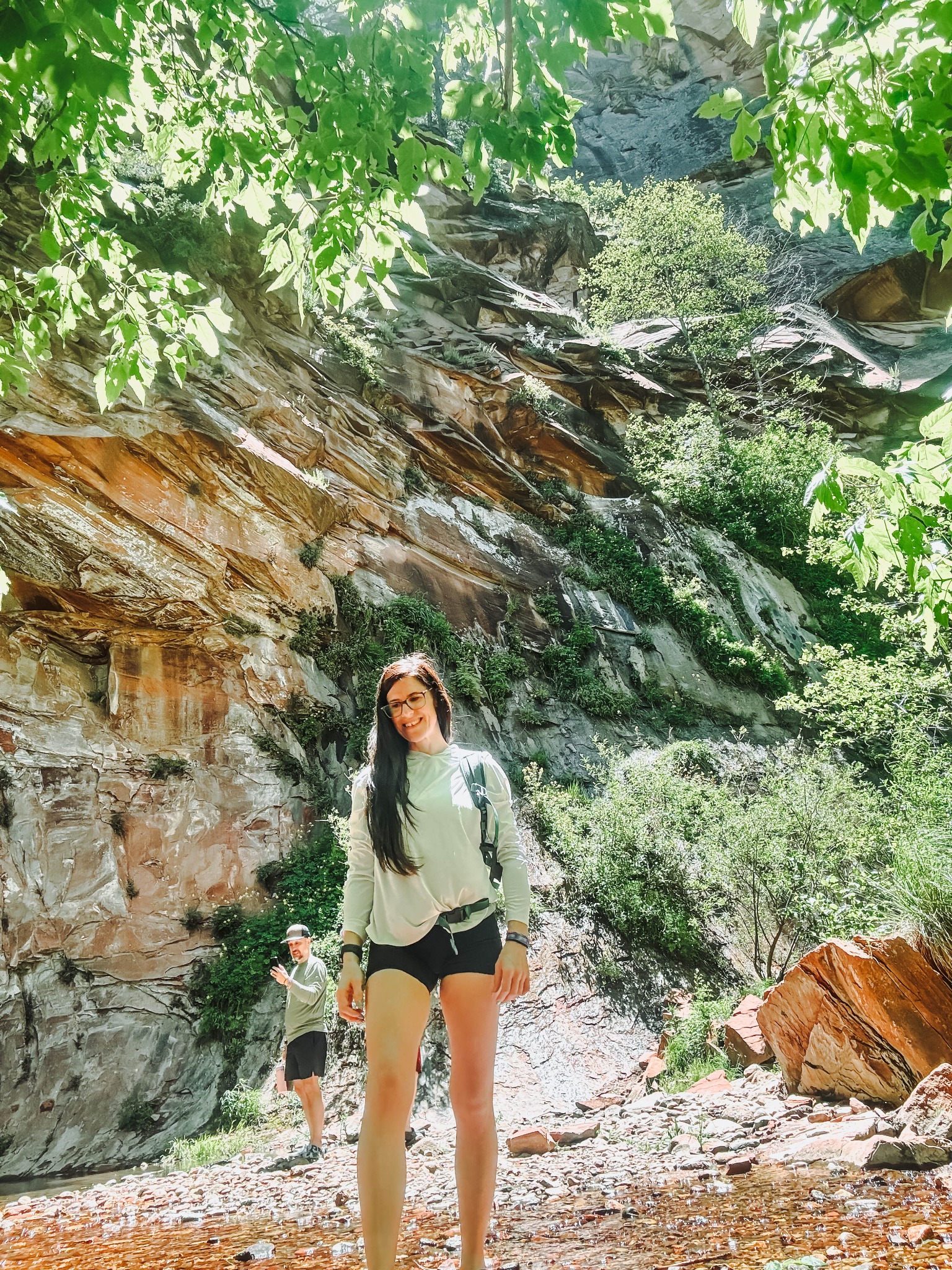
Months later, hiking is still what our family talks about most.
If your children enjoy being outdoors at all, leave more time for hiking than you think you need. You do not have to choose the longest or most difficult trail for it to matter.
Scenic pull-offs
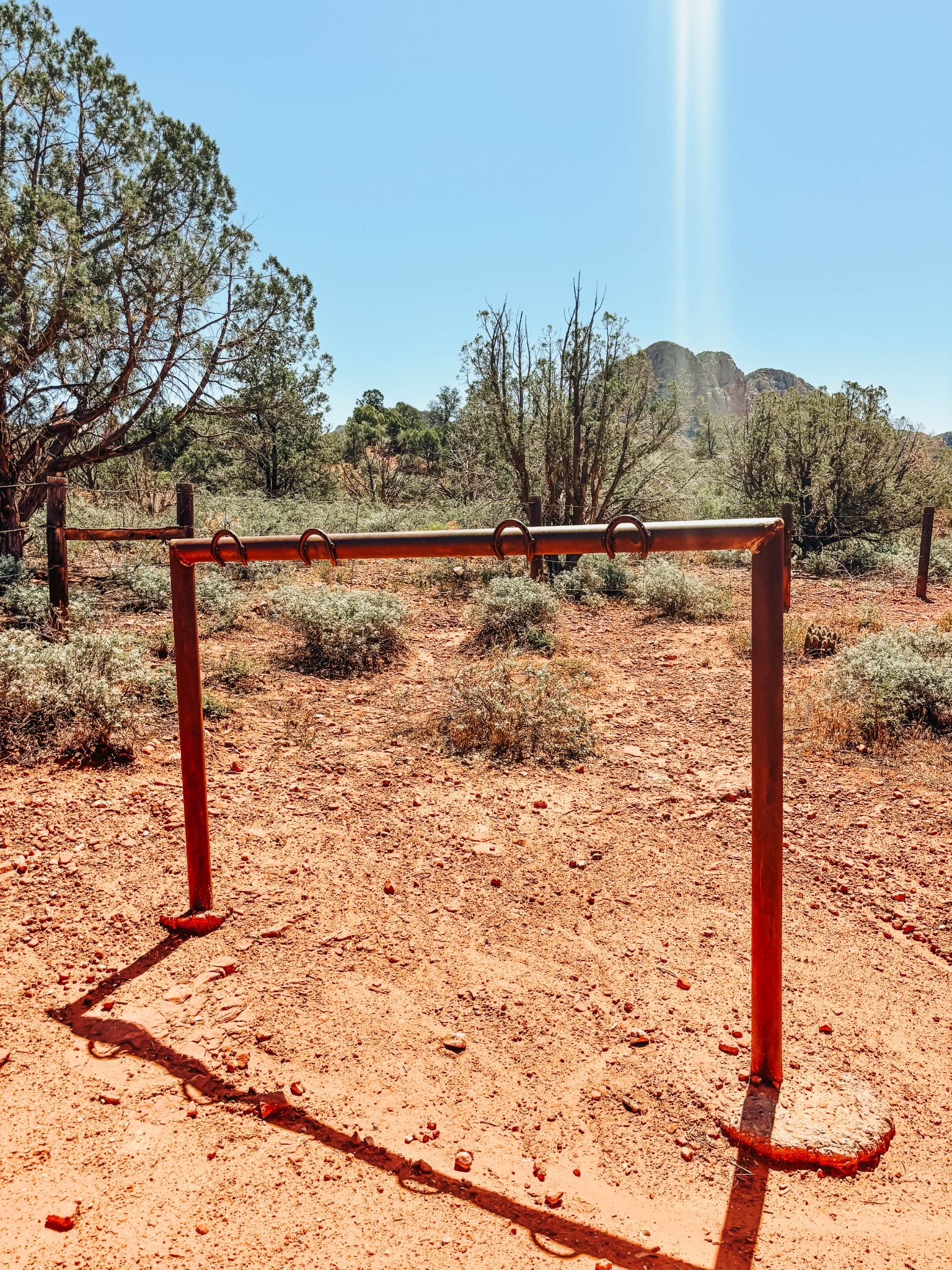
Some of our favorite views came from places we had not planned to visit. We would see a pull-off, realize the view was worth stopping for, and get out of the car to explore or take photographs.
Those stops slowed the trip down. Instead of moving from one reservation to another, we had time to look around and decide what interested us.
When planning your route, resist the urge to schedule every hour. Open time gives your family permission to stop when something catches your attention.
Stargazing in Sedona
Stargazing was one of the simplest experiences of the week. There was no admission fee, no reservation, and no schedule beyond staying outside long enough for the sky to darken.
It gave us a quiet ending to a trip that had involved a great deal of driving, planning, and adjusting.
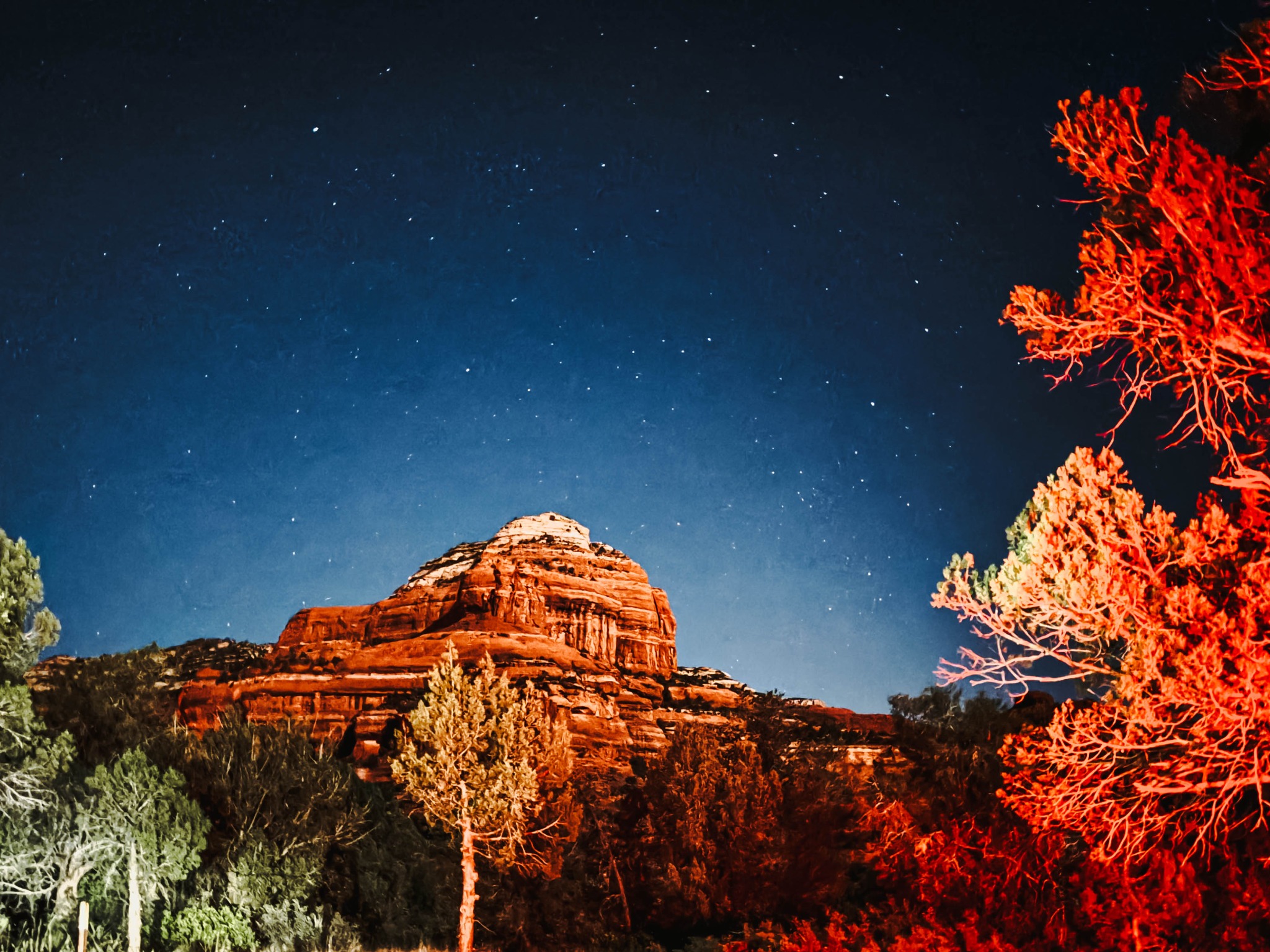
This is an easy experience to overlook because there is nothing to book. Put it on the itinerary anyway.
Hole in the Rock
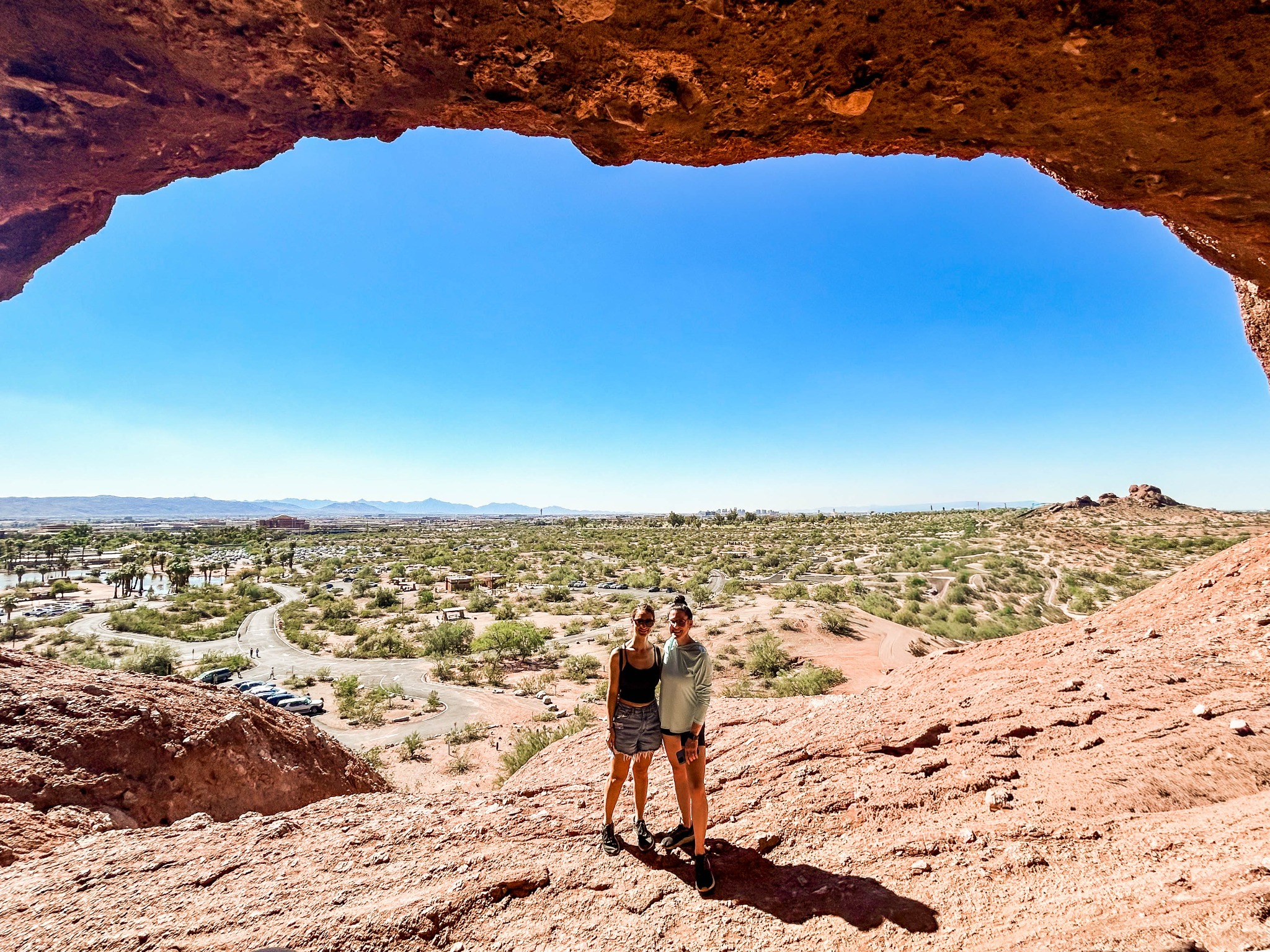
Hole in the Rock is free, easy to reach, and a manageable hike for most people who can walk comfortably. The hike itself took us around 10 minutes, though families should plan for 30 minutes to an hour to explore and take photographs.
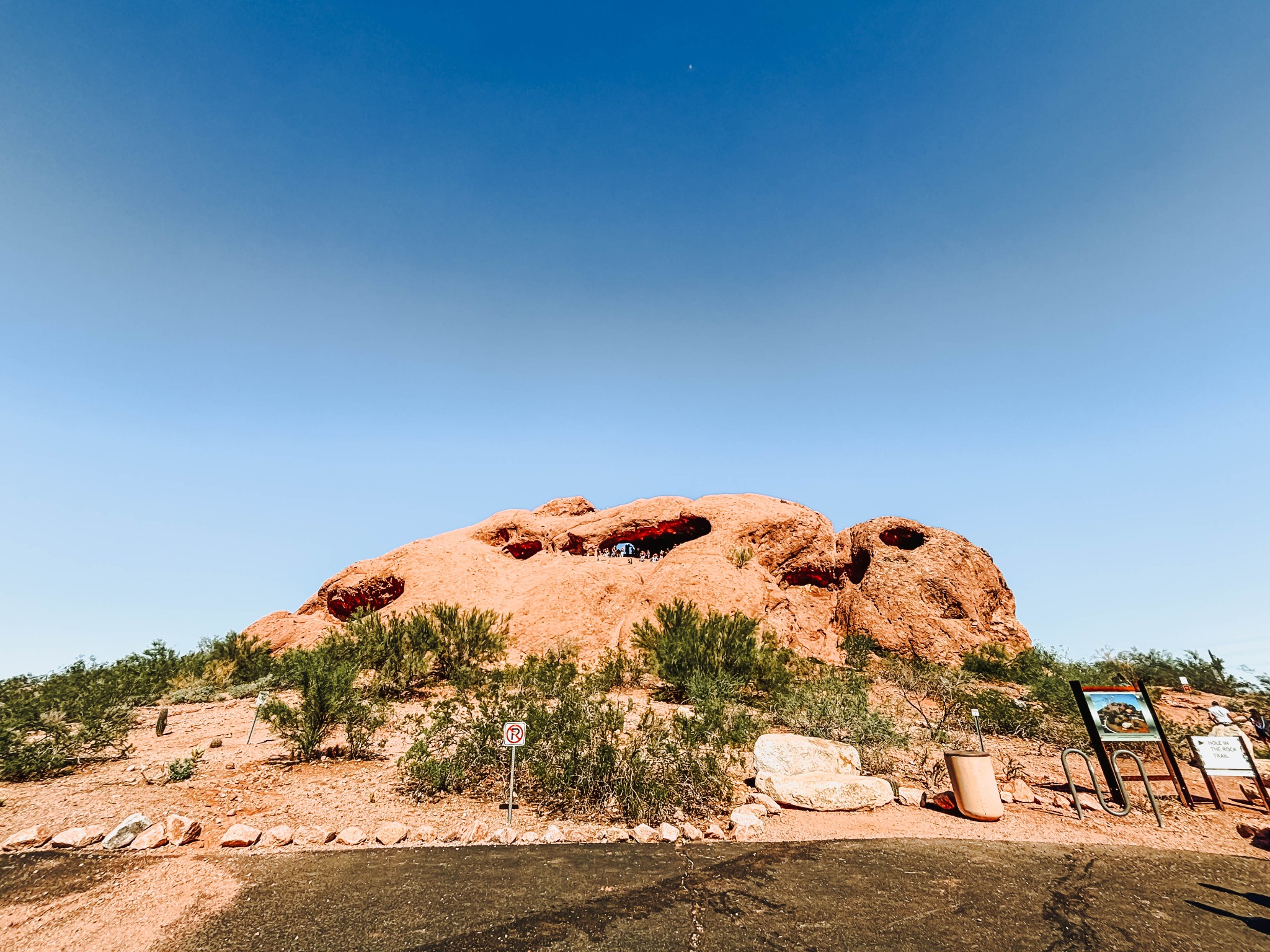
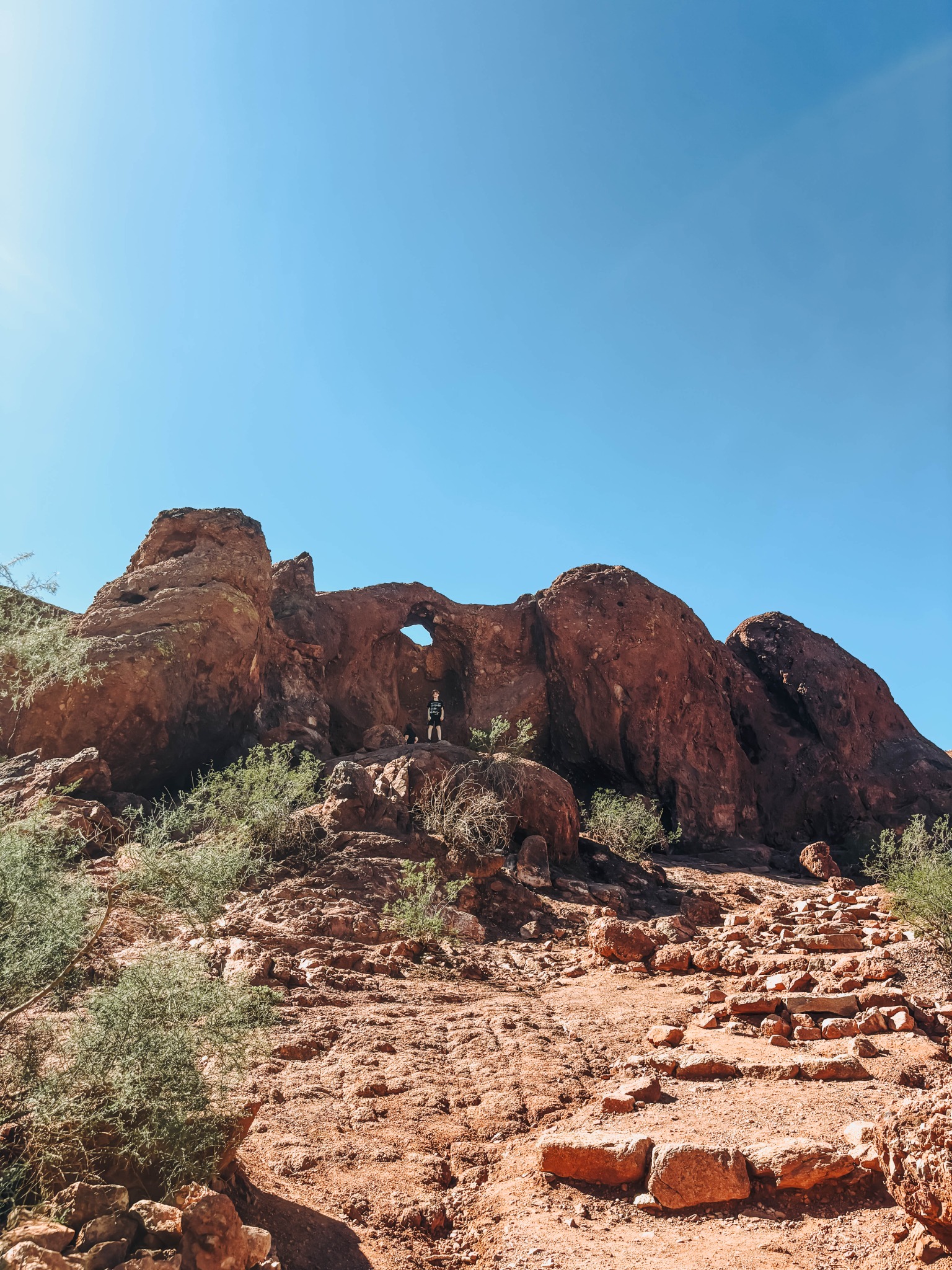
There was plenty of parking, and our youngest child completed the hike without help.
I would visit again, but I would not go at sunset. The area became crowded, and the rock near the opening was slippery. With many people moving through the same limited space, it felt less safe than it likely would have earlier in the day.
Go earlier in the day if: you want space to explore and take photographs.
Use extra caution if: you are traveling with younger children, anyone with mobility concerns, or someone who may struggle in a dense crowd.
How to plan Arizona for children with a wide age gap
Planning one trip for a teenager, a preteen, and a younger child meant we needed activities that could hold their attention without requiring them to experience everything the same way.
The more flexible activities worked best. Hiking, scenic stops, and Butterfly Wonderland gave each child room to move at their own pace and focus on what interested them.
If your children span several age groups, look for experiences that allow different levels of participation. A teenager may want to move ahead on a trail, while a younger child may stop every few minutes to look at rocks or lizards. Both can still feel included.
We also packed noise-canceling headphones, which became especially useful while hiking because the sound of insects bothered one of our autistic children. We brought our handicap placard and paid close attention to parking, walking distances, shade, heat, noise, crowds, and seating availability.
Those details often told us more than whether an attraction described itself as family-friendly.
Before booking an attraction, ask yourself:
- Is there a quiet place to take a break?
- Is shaded seating included?
- How far is the walk from the parking?
- Can we leave early without feeling like we wasted a large amount of money?
- Can each child experience this at a different pace?
- Will heat, noise, crowds, insects, or uneven terrain affect anyone in our family?
A place may welcome children while still being difficult for a family managing sensory sensitivities, heat intolerance, mobility concerns, or wheelchair access.
What should you pack for a family trip to Arizona?
The most useful things we packed were practical rather than exciting:
- Noise-canceling headphones
- Handicap placard
- Water bottles
- Hiking shoes
- Snacks
- Sun protection
- Lightweight layers
- Easy-to-carry bags
I was especially thankful that I packed my lightweight, long-sleeve SPF shirts from Amazon. I normally burn easily, and they gave me more coverage without feeling heavy or uncomfortable while we were hiking in the heat.
They were not glamorous, but neither is spending the second half of a vacation trying not to move because your shoulders are sunburned.
For the next Arizona trip, I would keep more water and simple food in the vehicle, especially on hiking and driving days. I would also plan for shade and rest breaks more intentionally, rather than assuming we would find comfortable seating when we needed it.
If your family has sensory, mobility, or medical needs, pack for the places that may not accommodate them well, rather than assuming every family attraction will have what you need.
A better seven-day Arizona itinerary for families
Our biggest mistake was building too much of the itinerary around paid attractions. We spent more time than we needed in Phoenix, stayed two nights in Williams, and treated Sedona as a stop rather than the place where we would eventually want to spend most of the week.
If we planned the same seven-night trip again, we would use Phoenix as an arrival point, drive to the Grand Canyon rather than take the railway, and spend the majority of our time in Sedona.
Day 1: Arrive in Mesa and stay in Phoenix
Use Phoenix as an arrival point and spend one night there. Choose one paid attraction, most likely Butterfly Wonderland, and add a short hike if your arrival time and energy allow.
Do not automatically book several days in Phoenix unless city attractions and resort time are the main purpose of your trip.
Day 2: Drive to Sedona
Leave Phoenix and drive to Sedona without packing the day with reservations. Give your family enough time to stop at overlooks, trails, and roadside pull-offs when something catches your attention.
Days 3 and 4: Explore Sedona
Spend two full days hiking, sightseeing, exploring the town, and choosing one or two restaurants you are genuinely excited to try.
Leave open space in the itinerary. Sedona is the kind of place where an unplanned road, trail, or overlook can become the best part of the day.
Day 5: Visit the Grand Canyon
Drive to the Grand Canyon instead of taking the train. Stop briefly in Williams for Route 66 photographs if that interests your family, but do not assume you need to stay overnight.
Driving gives you control over your day and lets you spend more time hiking, exploring, and eating inside the park.
Day 6: Return to Sedona
Use another day for hiking, scenic drives, shopping, stargazing, or simply returning to a place your family enjoyed.
A second day in Sedona may be more valuable than adding another attraction elsewhere.
Day 7: Return toward Mesa
Depending on the flight schedule, drive directly to the airport or spend the final night closer to Mesa.
The goal of this revised itinerary is not to see less. It is about spending more time in places that give your family room to enjoy being there.
How to decide what belongs in your itinerary
If you are trying to control the cost while still creating a memorable trip, I would plan in this order:
- Decide how much time your family genuinely enjoys outdoors.
- Choose whether Phoenix or Sedona better matches the trip you want.
- Book lodging based on where you want to spend your days, not around one attraction.
- Choose one or two paid experiences that work across your children’s ages.
- Reserve enough budget for a comfortable rental vehicle, food, and unexpected changes.
- Leave open time for hiking, overlooks, scenic stops, and rest.
- Decide which restaurant meals are worth planning and keep the others simple.
That approach would have saved us money and given us more of the experience we ended up valuing most.
What we would do again
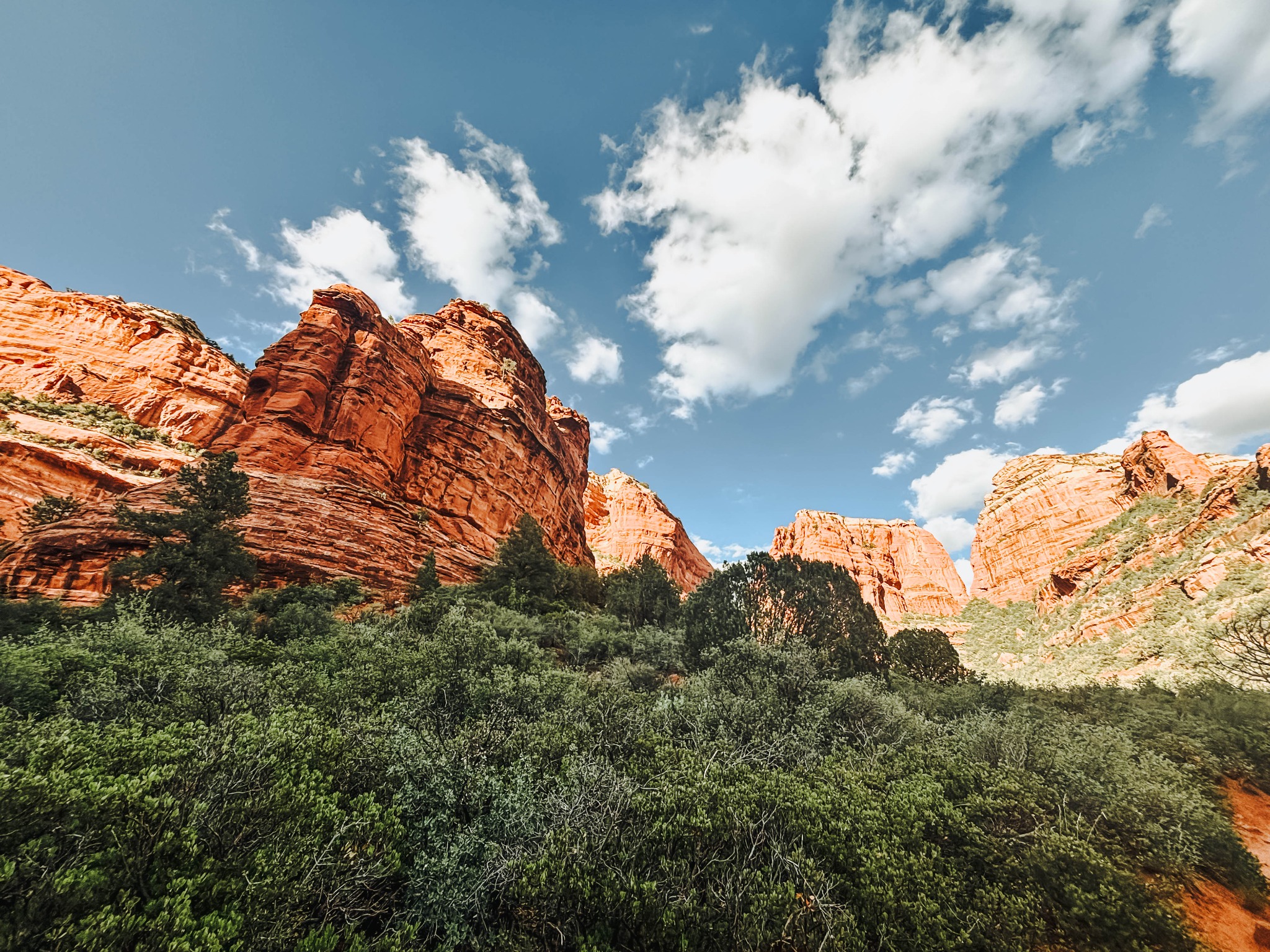
We would return to Sedona, hike as often as possible, stop at scenic pull-offs, and go stargazing. We would visit Butterfly Wonderland again, eat at Culinary Dropout and Hideaway House, rent a vehicle with enough space for five people, and drive to the Grand Canyon rather than take the train.
We would also leave more room for the itinerary to change. Our decision to return to Sedona was unplanned, but it became one of the best parts of the trip.
What we would skip or change
We would skip the Grand Canyon Railway, avoid staying overnight in Williams, and spend only one full day in Phoenix. We would choose a less expensive hotel instead of the Arizona Grand Resort, avoid Hole in the Rock at sunset, reduce our restaurant spending, and research shade, seating, terrain, and accessibility more carefully before booking attractions.
Most of all, we would stop assuming that the schedule needed to be full for the trip to feel worthwhile.
What stayed with us
Nearly three months later, our family still talks most about hiking. We remember the trails, the roadside pull-offs, the red rocks, and the night we stood outside looking at the stars in Sedona.
We also still talk about moving there, which was certainly not part of the original itinerary.
That does not mean every family should skip the train, avoid the resort, or build its entire trip around hiking. It means the best part of a family vacation may not be the experience that looks most impressive while you are booking it.
For us, Arizona became more memorable when we stopped trying to fill every day. We needed fewer reservations, more time outside, and enough room to say, “Okay, we have to stop here,” whenever the view caught our attention.
That is how I would plan the next trip.

Hope Denton
Freelance writer · photographer · personal essayist
I write about family, travel, parenting, and finding something meaningful in the middle of the chaos.
Want to follow along?
This Arizona trip is part of Paths Unbound, where I document the places we go, what we spend, what works, what falls apart, and the moments that somehow end up meaning the most.
Subscribe to follow Paths Unbound for the chaos, the detours, the hope, and whatever comes next.
0 Comments Add a Comment?