I Promised My Son He Could Play GTA at 16. Now I'm Rethinking It.
For years, my oldest son has begged us to let him play Grand Theft Auto, and for years, my husband and I have given him the same answer: "When you're 16."
At the time, it seemed like a reasonable compromise. We weren't banning the game forever. We were asking him to wait until he was older, when we assumed he'd be mature enough for the content. Sixteen felt like a good age, and more importantly, it felt far enough away that I didn't have to worry about it anytime soon.
Unfortunately, children have a habit of growing up whether we're ready for it or not.
With Grand Theft Auto VI releasing November 19, the conversation we've managed to put off is becoming harder to avoid. My son is now 15, with his 16th birthday just a few months away, and he hasn't forgotten what we promised him.
The problem is that I'm beginning to wish I'd thought that promise through a little more carefully.
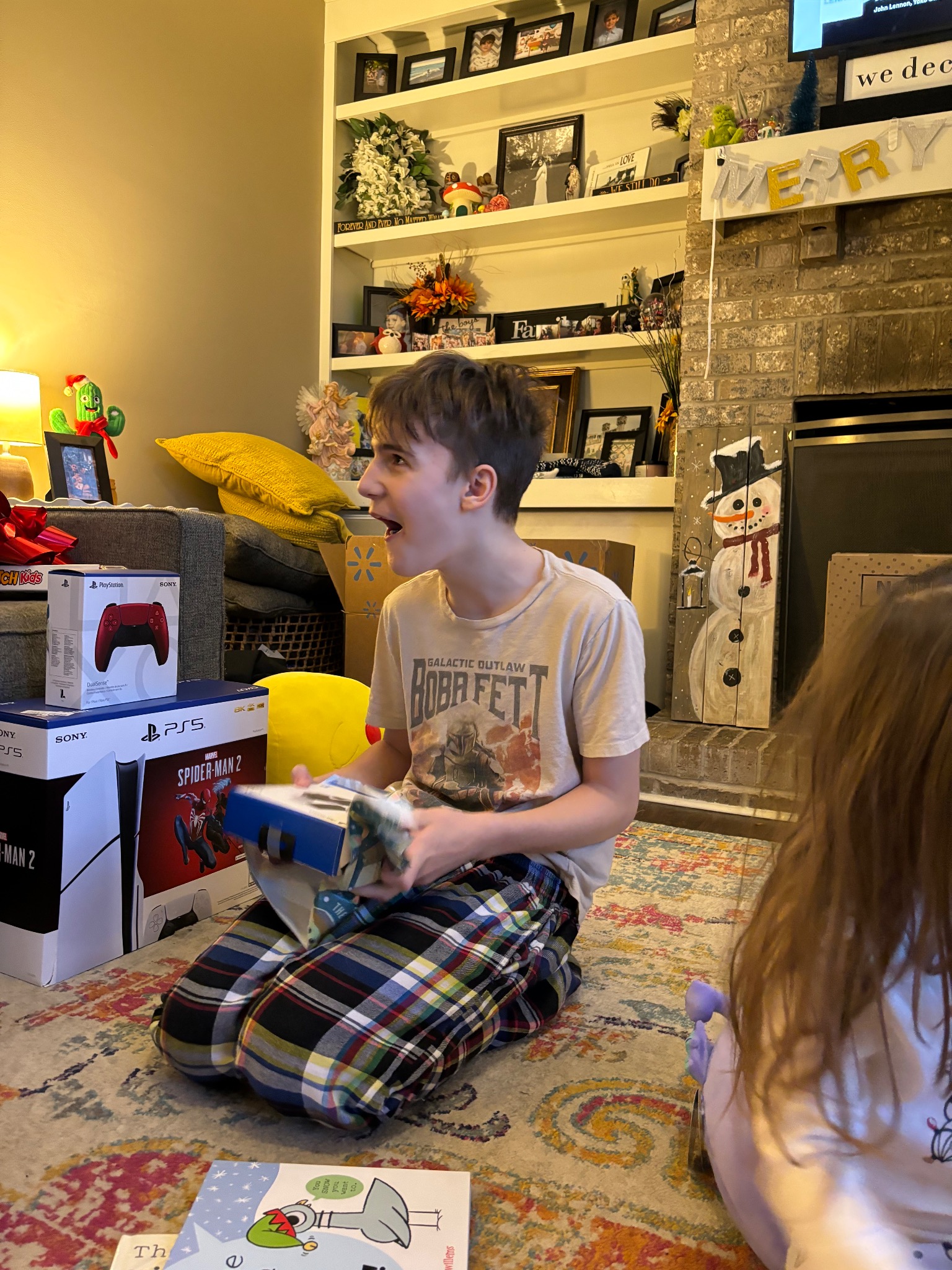
My son doesn't understand why we allow some violent games but not GTA
We've never been particularly strict about video games. My boys play Fortnite, Call of Duty, and other games involving weapons and violence. So when my son asks why Grand Theft Auto is different, I understand why our rules might seem inconsistent.
To my husband and me, there's a purpose behind the fighting in those games. You're defending something, protecting your teammates, or working toward an objective. We've always been able to justify the violence within that context.
Grand Theft Auto feels different. Players can choose to rob banks, steal cars, and engage in sexual situations. These aren't things they're doing to protect someone or defend something. They're activities players can participate in simply because the game allows them to.
With GTA VI promising increasingly realistic graphics, I'm even less comfortable with the idea of my son participating in those situations. I know it's fictional entertainment, and I don't believe playing a video game automatically means he'll want to do those things in real life.
But I've spent years teaching my children about right and wrong, respecting others, and taking responsibility for their actions. There's something unsettling about giving my son permission to engage in activities I've worked so hard to protect him from, even through a fictional character.
I made a promise without thinking about what it would mean later
When we told our son he could play Grand Theft Auto at 16, I assumed maturity would make the decision easier. What I hadn't considered was that my concerns about the game had little to do with his age.
My son is mature. He's responsible, thoughtful, and increasingly capable of making his own decisions. But the content that bothers me at 15 would still bother me at 16, 18, or even 25. I'm realizing there may never be an age when I'd feel comfortable encouraging him to play it.
The difficult part is that we've raised our children to believe promises matter. Now I'm reconsidering one we made, and I understand why that might feel unfair to him. I believe parents should be willing to admit when they've made a decision they no longer agree with, but I also worry about what changing our agreement might teach my son about keeping his word.
I wish I'd understood years ago that this wasn't a question of when he'd be mature enough. It was whether I'd ever be comfortable saying yes.
Raising teenagers means learning when to loosen your grip
When my children were little, telling them something wasn't appropriate for their age was usually enough. Teenagers, however, want explanations. They notice inconsistencies, question our reasoning, and aren't afraid to tell us when they think we're wrong.
I actually love that about my oldest, even when it makes parenting more complicated. I've spent 15 years teaching him to think for himself and stand up for what he believes. I just hadn't considered how uncomfortable it might feel when his opinions started differing from mine.
Eventually, he'll be able to purchase Grand Theft Auto without asking for our permission. He'll make plenty of decisions I may not agree with, and I'll have to trust that the values we've taught him will help guide those choices.
But we're not there yet. For now, my husband and I still have boundaries we're responsible for maintaining. (Even when our son disagrees with them.) The challenge is figuring out what to do when one of those boundaries conflicts with a promise we made.
I'm still not comfortable saying yes
I know some parents will think I'm making too much of a video game, and others may question why we allow Call of Duty but not Grand Theft Auto. Every family draws those lines differently.
For now, GTA remains off-limits. I haven't decided what will happen when my son turns 16, but I know his birthday won't change how I feel about the game.
What makes this difficult is that my son has done exactly what we asked. He's waited and trusted us to keep our word. If we change our agreement, I owe him an honest explanation and an acknowledgment that we made a promise without fully considering it.
I hope he understands that I'm not questioning his maturity. I'm questioning a decision I made years ago, before I realized that getting older wouldn't change my concerns.
And perhaps next time I'll think a little harder before making a promise that comes with a birthday attached.
Post a comment